Wednesday, March 5, 2014

Free Vaccines for life


Photo: Two employees working hard after lunch!

We at Ventana Animal Hospital take your pets' health seriously. We know that we are a part of a nationwide decline in veterinary visits. We know that some of this decline is due to the rising costs of veterinary care, and we know that some of this decline is due to a perception that visibly healthy pets do not need well-care.

While costs are something we work on every day, we know that the only way that we can continue to provide your pets with the care that they need is to keep our hospital well-stocked, our equipment up to date and our staff well-trained. We think that all of these are vital aspects to excellence in veterinary care, and as much as we desire to keep costs low, we will not skimp on any of these.

Therefore we must tackle the other aspect of this nation-wide decline — the lack of necessity of well-care visits in seemingly healthy pets. We all know that diseases caught early are more cost effective to treat, less risky to the pet and less stressful to the owner. We also know that according to research released in recent months, preventable illnesses are on the rise in our pet population.
These two issues go hand in hand. Declining veterinary visits lead to ill-informed owners which leads to preventable disease numbers rising.We want to break this cycle.  For all it's seeming briefness, a  physical exam is a very detailed look at your pet — from teeth to tail and everything in between. We can hear heart murmurs before there is a cough, feel organs that may be changing in shape or size, see redness in gums that may be the start of dental disease. We are free to discuss things with you that may point to illnesses, such as increased or decreased appetite, increased thirst, restlessness, slowness or inability to climb stairs. All of these are signs of issues that we can largely get ahead of if given ample time.

So, after months of debate on how we can express to you how important regular exams are, we have decided on a radical new approach. We will put our money where our mouth is: if we don't want our pet parents to only think of us a place to get vaccines, we will stop putting vaccines first.

Vaccines are important to pet health, but they are in no way the most important aspect of well-care. So here's what we've come up with. If you bring your pet in twice a year for well-care visits (not because of a cough, or ear infection, but a healthy pet exam) we will provide all of your core vaccines for free.

Core vaccines in dogs are Da2pp (+/- C) also called Distemper-Parvo, or Annual Vaccines, Rabies and Parvovirus. Bordetella is not a core vaccine, nor is Lyme or the rattlesnake vaccine. Those three vaccines can still be purchased if you and the doctor feel that they are necessary when you come in.

For cats core vaccines include RCP and rabies. Due to our costs, we are unable to include the Feline leukemia vaccine, which is recommended for indoor/outdoor cats, or cats at risk of encountering indoor/outdoor cats or recently outdoor cats - such as adoptions.

We believe in twice-yearly exams so much that if you come in every six months with your healthy pet for a check-up — we will throw in your core vaccines for free.

The program will have a contract to explain the details and rules. There is a minimal one-time enrollment fee per pet of $29 to help pay for the added book-keeping. Once you have paid this fee, as long as you keep bringing your pet in for biannual exams (every six months) you will never pay it again.

We've tried to make this as easy for you as we can, both for the sake of simplicity and to lower the risk of undue confusion. The program is simple. Bring your pet in for an exam every six months (with a one-month flex period to accommodate people's schedules). We will send out reminders and call you when your appointment is due. If you skip an appointment, no problem, you can either pay the enrollment fee again, or pay for your vaccines along with your exam like always.


Our goal is to create a habit of well care for your pet that can last his or her whole life. As long as you bring in your pet for well-care visits every six months, all core vaccines will be free. This program can start after the initial puppy series is satisfied until your pet is grey around the muzzle.

Our own pets are seen regularly by our veterinarians -  they listen to their hearts check their teeth, feel their abdomen, counsel us on their weight and discuss food, and habits. We want to provide our pet owners the same freedom to know that we are always there to see your healthy happy pet - take our word for it, it's way better than the alternative.

Please call the hospital for additional details and contract information.


Monday, February 10, 2014

Why do we need to see your healthy pets?

Most everyone who has been in to us in recent months has met Carley, the little yellow lab who naps behind the counter. She is 13 years young and is facing growing medical concerns. Our doctors see her every day - she has her blood glucose (she is diabetic) checked at least weekly, and has had several sets of radiographs taken in the past few months.

The German Shepherd, Cassidy, who occasionally lives under the counter, was adopted by me a month ago, she is ten years old. Since I got her she has had her ears examined three times by the veterinarian with an otoscope, and had two full physical exams. She has had a dental, and had a mass removed, which we diagnosed as a sarcoma.

Ronnie, who you all know because she sits at the front desk and greets you all by name when you come in, has had her two dogs in at least six times in the past year, has had two dentals done and has run bloodwork done three times on them, as well as several radiographs.

I mention this to indicate how we in the industry treat our own pets (and none of this is free to us).


Since 2012 I have had bloodwork run on all of my dogs at least once, x-rays done on two dogs and an ultrasound done on one dog. All of my dogs receive heartworm prevention, get periodic de-wormings, and have had several applications of flea and tick protection.

I am in the profession. I am pretty competent about what things are, and have a fairly good handle on disease processes and preventive care. And I utilize veterinary care MORE than most people - not less.

Dr. Google has replaced veterinarians in many cases, but if you ask those in the profession how we find answers we default to actual diagnostics in lieu of guessing. We know the value of a physical exam and hands-on well-care.

I mention this because somehow a perception has leaked out into the world that well-care ends at vaccines and that the actual hands-on aspect of medicine has little value. Well, I for one can tell you countless stories of missed opportunities to solve issues because owners thought that something was not worth worrying about, or past history had taught them that this particular ailment was benign.

The fact that people within the industry - those who know the most and are the best educated - utilize exams and diagnostics more often, not less, than the general population - I believe - is telling. I think that nothing can replace the information received with a thorough physical exam. Nothing can replace a one-on-one conversation about pet care with your veterinarian.

I know a great deal about veterinary medicine and when my pet is sick I use all of the knowledge that years in the profession working with some of the most progressive veterinarians in the region has provided me, and I take my dogs to their veterinarian.

We recommend regular preventive care and visits for your pets because we do it for our own pets. We recommend diagnostics when necessary because we would do them for our own pets. We recommend preventive care because we want your pets live long and healthy lives, just like we wish that for our own pets.


Thursday, January 30, 2014

What's going on in your pet's mouth?

Clean teeth are a necessary precursor to overall health. We all know this, and new research is showing that even the marginal amount of periodontal disease in humans can contribute to heart disease and early mortality.
Sparkly white teeth after a dental prophy

We have some evidence-based knowledge about what oral disease does in pets. We have seen for many years a link between dental disease and heart disease. In addition, the bacteria overload from dental and periodontal disease in the mouth has been implicated in kidney disease, urinary tract infections, and even chronic GI issues.

How often do you look in your pet's mouth? I'll be honest, I have great dogs and a full knowledge of how dangerous dental and periodontal disease can be and even I can go months without peering into the dark dank recesses of my dogs' mouths.

February is National Veterinary Dental month. It is a month when we dedicate ourselves to remembering how overlooked the mouth often is in our day-to-day interactions with our pets. Even people who are way more diligent than I am about brushing their pet's teeth may not actually be looking at what they're doing.

I would like to walk you through a Comprehensive Oral Health Assessment and Treatment (COHAT) (typically called a dental) which is a systemic assessment, cleaning, polishing, and treatment of your pet's oral cavity done under anesthesia. I will explain what makes a COHAT far more than a routine "cleaning" or "scraping". In addition, I will explain why it is necessary and what we are looking for and why it is important not to wait until your dog has bad breath, red gums, and disease.


The picture above is of my own dog, Cassidy. She got a COHAT here about two weeks ago in conjunction with a mass removal. If you look at the picture above you will see that she has minimal tartar on her teeth and a little bit of redness. By doing the dental now I chose to avoid waiting until she had ongoing disease.
In this picture, the technician is using an ultrasonic polisher with a sand-paper like paste to polish the teeth after the cleaning. Both the cleaning and the polishing must occur above and below the gum line to remove all of the bacteria. Leaving bacteria below the gum line is actually worse than doing nothing because the teeth are now clean, but the gums and underlying structures are spreading infection. We use an ultrasonic cleaner specially designed for subgingival (below the gumline) use. The gingiva is delicate and sharp objects (such as tooth scaling equipment) can damage it.

After we clean the teeth we, polish every part of the exposed tooth surface. This is an important step, as the dental tools cause microscopic grooves which will serve a great surfaces for bacteria to reproduce.


In this (admittedly too bright) photo, the veterinarian is probing the gingiva for pockets. Pockets often hide diseased roots and can indicate bad teeth that may need to be removed. Each root and each edge of the tooth along the gumline is probed and the resulting depth is recorded. Three millimeters or less is considered healthy. Even perfectly healthy looking teeth can be harboring bad roots (think of your own teeth). Probing is a vital part of the dental process. Cassidy, here, had no pocketing of any significance.

This is the goal of preventive care - absence of disease - not waiting until disease occurs and then going in and fixing what is now broken.


In this picture (of a different dog) you can see the yellowish material - that is tartar. Under the tartar bacteria are destroying the teeth along the gumline and under the gums at the roots. There are times when knocking the tartar off causes the tooth to fall out.  Against the gums especially along the gum line, you can see a darker line. that darker line is actually active infection (pus). Around the canine tooth (the long one in the front) you can see the redness and inflammation caused by the infection.

In this dog's case there was significant pocketing around several of the teeth, and the last tooth on the back (with three roots) had to extracted due to the fact that it could not be saved. This dog's owner "waited" until the teeth "looked" bad enough to treat.

The teeth have been shedding bacteria into the bloodstream for months, the gums are red and painful, deep pockets are forming exposing sensitive roots and dentin to attack and teeth had to be extracted as a result. This is too late - this is not preventive medicine, and this is why we do not want to wait until the teeth look 'dirty' before we do a COHAT.


Thursday, January 23, 2014

Cool new products

One of the coolest aspects of my job is seeing all the great new products that arrive every year from our drug companies to help us help our pets. Right now Ventana Animal Hospital is assessing two new drugs to establish how helpful they will be to our clients.

A fair amount goes into any decision to carry a new medication. We must ask and answer several questions before we even consider bringing a new medication into our hospital.

First and foremost, does it solve a problem that cannot otherwise be solved. If we carried every cool drug out there we would have no room to treat pets, and we would be broke because all our money would be tied up on our shelves. Many drugs are redundant, or they cover the same ground as older drugs, or they have one small change over an existing drug - in these cases, there would have to be a very compelling reason to add them to our pharmacy. We are only interested in truly breakout drugs or innovations that really make a difference to your  life or the lives of your pets.

Second we ask ourselves what the research really says. Many medications, especially ones that people hear about on the internet or from the media are poorly or not at all supported by the science. We only bring in new medications that have been FDA approved, which mean that they have undergone extensive research into efficacy and safety. Even after undergoing FDA scrutiny we will oftentimes wait on a medication until others have used it for a while.

Lastly, we look at cost and need. Just because a medication is effective, it's use might be so limited that we would never use it, or use it so rarely that we could never use all of the product before it expired on our shelf. We also look at cost. If a medication is prohibitively expensive and it is not a huge improvement on existing medications we will not carry it.

So, what cool medications are we looking at right now?

First we are looking at a new flea and tick product called NexGard. Unlike every other flea and tick product on the market, this one is not topical. Instead of having insecticides on your dog - and your hands and furniture - the dog eats a chewable tablet once monthly. The tablet contains a naturally occurring insecticidal molecule - found, interestingly enough in living sponges to kill sea snails which will eat them otherwise.

In addition to NexGard we are also studying a new medication released by Zooetis for skin allergies. This medication has already been used successfully by local dermatology specialists. The product is called Apoquel. We are still looking into some of the details of this medication, how, exactly, it works, safety, dosing etc...

Every month we receive notice of some new medication, protocol, or gadget. We try to think about how these products can improve the quality of care that we offer. We rarely end up pursuing these new things because they often do not meet our criteria, so it exciting that we are looking at two new products at the same time.

Monday, January 13, 2014

How to tell if your pet needs to go to an Emergency Center

One of the biggest issues owners face is a veterinary situation that happens after hours or during the weekend when their primary veterinarian isn't open. Ventana Animal Hospital is open from 8-5:30 on weekdays and from 8-12 on Saturdays - but we all know that accidents and illnesses don't always conform to business hours.

It's hard to know when something is an emergency and something isn't. Two am is also not the time to be trying to guess how dangerous your dog's symptoms are, or where the nearest veterinary emergency center.

We list two Tucson area veterinary emergency centers on our website. Both are affiliated with Specialty Veterinary Centers, and both provide excellent after hours emergency care.

Now that you know where to go, it's helpful to know when to go. Of course, before I list these symptoms that should send you scurrying to your nearest veterinary center, I must make the usual disclaimers: This list is in no way exhaustive - when in doubt, go to the Emergency Center, or give them a call - they will usually tell you how to proceed. (Their numbers are listed on the Ventana Animal Hospital website linked-to above).

So, what is an emergency?

Excessive bleeding, bleeding from the ears or nose, or bleeding in conjunction with swelling.

Any facial swelling or swelling anywhere especially after going outside and especially if there is a small drop of blood (we worry about rattle snake envenomation)

Any seizure that doesn't stop within seconds - a first seizure is scary and always needs to have a follow up at your regular veterinarian. Groups of seizures or a seizure doesn't stop can be life threatening.

Any signs of difficulty breathing - this is especially true of cats - blueish gums, heaving chest, unwillingness to lie down are all signs of repiratory distress in dogs. If your cat is breathing through an open mouth, that is generally a sign of breathing issues.

Any time a small dog is attacked by a larger dog even if there is no visible injury.

Any attack by wild animals - especially javalinas which create huge amounts of damage below the skin - always have your pet up to date on rabies.

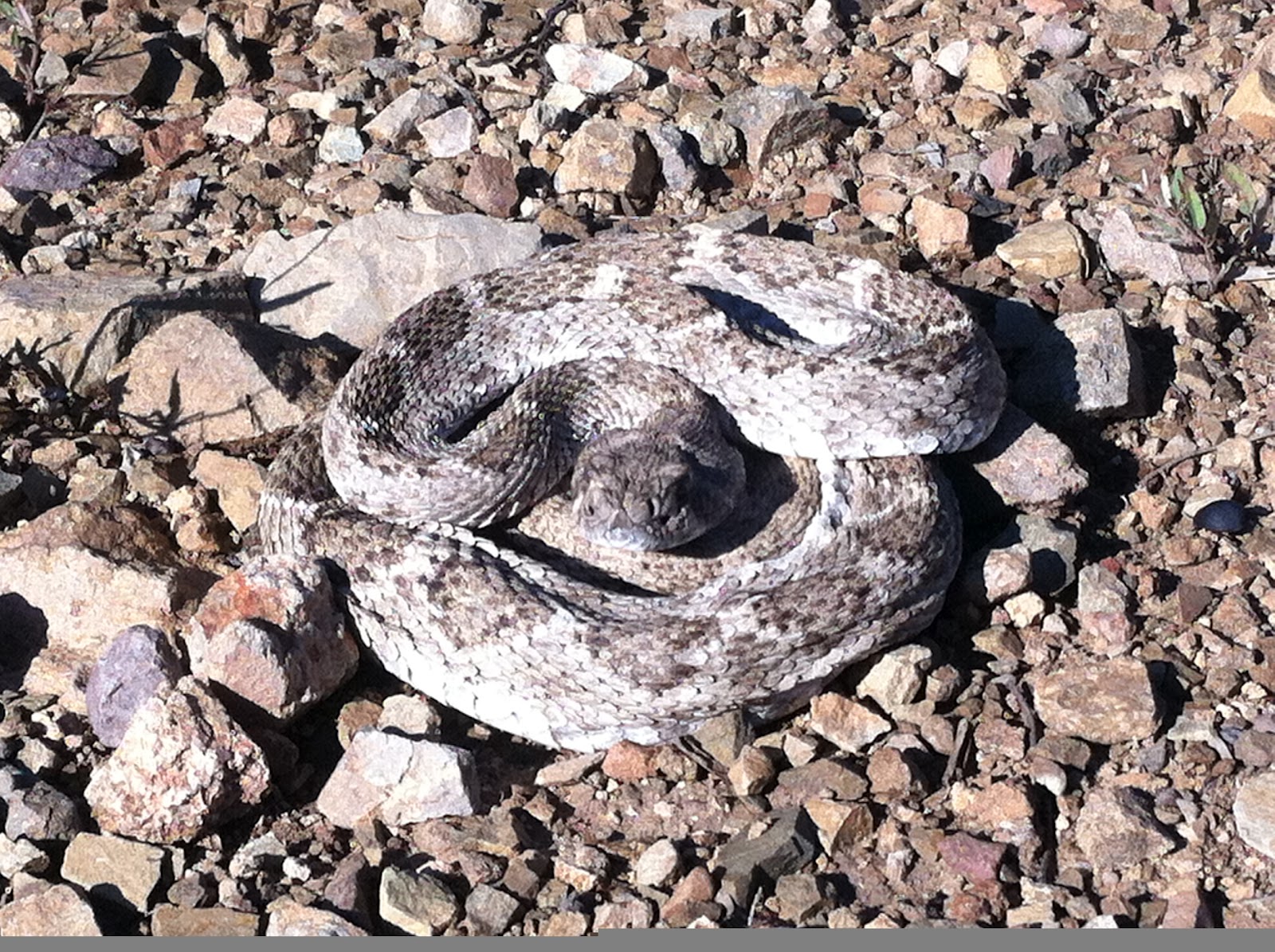
Any possibility of a rattlesnake bite at all.

A broken bone, or possibility that a bone was broken.

Collapse of any kind.

Possible ingestion of a toxic substance (dark or bakers chocolate, sugar free gum, rat bait, household cleaners, diet pills, human medications, or anything that would freak you out if your kid ate it) - even if you know how, NEVER induce vomiting at home, some toxins an be inhaled into the lungs when vomited up and cause serious complications or even death.

Ingestion of anything sharp or anything that can cause blockage - especially dangerous are cutlery, rocks, tennis balls, toys, toy stuffing, anything that can act like string,

If your pet falls off anything from a significant height, chews on an electrical cord (the damage to the pet can be massive and life threatening even if you see nothing), your pet is hit by a car, golf cart or ATV, Your pet is kicked by a horse.

A cat (especially male) that cannot urinate, is yowling or straining in the litter box.

Any puppy under six months old with vomiting or diarrhea.

Any eye injury at ALL!

Of course there are a zillion other crazy things your pet can get into that weren't included here. The strange and terrifying things that your pet can get into are limitless. Many of them are scary but not life-threatening. But for those things that are dangerous, it is important to know what should cause you to drive to your nearest Emergency Center (or regular veterinarian if they are still open).

We sincerely hope that you never need to become acquainted with Tucson's Emergency Hospitals, but if you ever do, we hope this information helped you make a life-saving decision for your pet.


Wednesday, January 8, 2014

Welcome to 2014!

Happy 2014! We all hope you had a fantastic and safe holiday season and are now recovering by calling all of your friends who live back east and telling them how tan you are.

A new year is a great time to make a new start. We promise ourselves to make broccoli a bigger part of our diet and limit ice cream for dinner to special occasions. We also promise to be better at being us.

Our pets can benefit from the new us too. Research has shown for some time that people who walk their dogs are fitter. Our pets benefit from the exercise and the ability to explore the sights and sounds of the bigger world. Dogs that go for walks benefit from the socialization as much as we do.

I run with my dogs - well, one dog. This dog:

Kate on a mountain bike ride


These two dogs
Miss Kitty

Ketchum

Stay home. They stay home for two rather inexcusable reasons. First, these two, as the pictures above illustrate, embrace dirt, and all sorts of unknown, and unknowable, sketchy whatnot. Frankly they are kind of yucky.

Second, Kitty is well behaved, but, Ketchum - not so much. Her recall is dubious, her sit is non-existent and she thinks a leash is a lethal device and will flop around like a trout if I put one on.

This is sad - after all, I know how to bathe a dog and I certainly know how to leash train a dog.

So for 2014, I promise this blog will contain more stories of these two neglected pooches having adventures with their mom - which, of course, they really really want to do.

To get that achieved, I intend to use some of the coupons we have here at Ventana Animal Hospital to help everyone fulfill their pet's new year's resolutions. We have bags of Purina OM dog food for pets who need a jump start to a slimmer waistline, and for slackers like me, we have coupons to Central Pet for grooming and training.

Not only will Ketchum and Kitty benefit from smelling slightly less offensive, but learning to walk on a leash and come when called will allow them to go running and cycling with me.

Becoming better us's sometimes means helping our pets become better them's.

We look forward to seeing your better you in 2014, and we are very happy to help you help your pets become better them's.

Tuesday, October 29, 2013

Vaccine protocols

Want to have fun? Go to any holistic pet forum and ask about vaccines. The opinions will come immediately (generally in all caps) and most of them will follow the general line that you may as well take your pet out and shoot it as give it vaccines.

Of course, as we all (hopefully) know, vaccines save tens of thousands of puppies a year from the ravages of parvovirus and distemper. Vaccines help keep our pets safe from rabies and feline leukemia. However, for all the good they do, vaccines do carry risks. Not the vague and crazy risks discussed in the forums, but real risks of feline sarcoma, anaphalaxis (dangerous immediate allergic reactions) and abscesses.

Some of these risks can be very dangerous or fatal. They are also remarkably rare. Feline sarcoma is found in fewer than 1/10,000 cats, and severe allergic reactions (anaphalaxis) leading to death are rarer still. However, for those pets affected these events can be terrible.

For fifteen years the veterinary community has been trying to find a way between these conflicting dangers. For many, including all of the veterinary schools and all of the professional organizations, the solution has been to divide vaccines into core and non-core and limit the number of vaccines given over a life time.

As an example, in indoor only cats Feline Leukemia is a non-core vaccine, meaning that these cats should not receive the vaccine unless other risk factors warrant it (owner brings in strays or the like). Bordetella vaccines in dogs are treated much the same way.

As for limiting vaccines given over a life time, the research conducted by universities (not vaccine manufacturers - we will get back to this) shows that many vaccines last longer than the recommended year. The recommendation stemming from this research calls for giving core vaccines (excluding rabies) every three years or to check titers (which tells us if the pet's immune system still recognizes the pathogen) and possibly go out longer on vaccines.

This has led many veterinary hospitals to adopt a three year vaccine protocol. We have not. And the reason we have not is because Dr's Burrows and Nielsen have seen too many parvo puppies die to trust these studies.

Our newest doctor, however, embraces three year vaccines.

We have discussed this as a team, because we know that it will cause confusion if we are not providing people the same recommendations. But, to ask Dr. Estheimer, Burrows, or Nielsen to change their medicine - to make a medical decision - based on research or life experiences that they are uncomfortable with is unethical.

Rather, we decided that our clientele is educated and smart, and if we provide the facts to them (you) and allowed you to choose for yourselves, you would make the decisions that best fit your lifestyle and personal philosphy. In keeping with our philosophy of providing pet owners the tools to make informed decisions, we have elected to give you our point of view and the facts that brought us to our current decisions.

These are the facts of vaccination:
Vaccines do not cause any debilitating illnesses or diseases - everything out there that contradicts this statement is based on hearsay and has no basis in science.
Vaccines still save tens of thousands (if not millions) of lives per year.
All pets MUST be vaccinated for rabies, regardless of indoor status, according to state laws and vaccine labeling.
Failing to adequately vaccinate puppies exposes them to potentially fatal diseases - these diseases are common - there is no scientific or ethical reason to fail to adequately protect puppies and kittens.
Almost all vaccines (excluding rabies) given as a three-year vaccine is labeled by the manufacturer for one year - very few vaccines are actually labeled for three years.
Adequately vaccinated pets can still occasionally get the disease that they were vaccinated against.
No-one can define "over vaccinated", nor is there any evidence concerning patient health and the number of vaccines they receive in a life time.

We have agreed to disagree on vaccine intervals in our hospital. We do this because we believe that we must follow our hearts as well as our heads when it comes to the care of your pets. Please, if you have any questions about any of the vaccines your pets receive, ask your veterinarian.


Wednesday, October 9, 2013

October is Client Appreciation Month!


Guess what? Our most important staff members are not on the pay roll! Our most important staff members are the people who entrust their pets' care and lives with us. These are the people who have chosen to allow us to help their pets.

On, Saturday October 12 from 10am to 2pm, we invite all clients, friends, pet owners and neighbors to join us for a celebration of our most valued employees - You!

Without our clients, we would not exist. Without our clients we would not get to play with kittens and puppies for a job.
Without you, I would be talking to myself.

So, for the month of October we will celebrate you, our clients. Client Appreciation Day will feature give-aways, raffles, a tour of the hospital, meet and greets with our entire staff and educational talks. We hope that you will be able to make it out to meet us.

As part of Client Appreciation Month, Ventana Animal Hospital will be introducing you to our entire staff. We understand that doctors, though vitally important, are just part of the picture. We know that your experience starts from the moment you pick up the phone and doesn't end until your technician helps you out to the car. Every interaction that you have is a reflection of us. Our goal is to illustrate our care and compassion during every point of contact.

We have taken great pains to select a compassionate and caring staff that has obtained the training necessary to provide your pet the best quality veterinary care. Ventana Animal Hospital asks every staff member to share Continuing Education at our monthly staff meetings, allowing all of us to stay on the cutting edge. We encourage a culture of learning and knowledge so that we may provide your pets the most current medicine available.

Ventana Animal Hospital has three full-time veterinarians, Drs, Karen Burrows, M. Nielsen, and Michele Estheimer. Supporting these doctors are five technicians, Alaina, Kianna, Mary, Rebecca, and Angela. Ronnie is the communication hub of the building, fielding most phone calls and greeting everyone when they walk in the door. I often lurk near the front desk, but will work as a technician as needed. Karyl keeps the place spic and span, and helps out in the back with patient work ups and surgery.

For a small hospital, Ventana Animal Hospital boasts an unusually high number of Certified Veterinary Technicians. Alaina, Mary, Rebecca and I are all CVTs, licensed in the state of Arizona. Kianna has graduated from a technician program but has yet to pass the very rigorous testing required of a technician. Angela, in spite of not being a CVT, is highly qualified, having worked within the industry for many years and most recently in a surgical specialty center.

Over the next month we will be introducing our staff to you to help put names to faces. Caring for pets involves a team approach, and we feel that our team is both dedicated and compassionate, we hope that you will agree. Please check out the biographies page on our website, and keep up with us on Facebook.

Everyone, friend and stranger, is invited to our Client Appreciation Day, we want to meet you, chat with you, share your stories and hopefully teach you something new, but mostly, we just want to say,

Thank You!!!


Wednesday, September 25, 2013

Ventana Animal Hospital - a snapshot

The great thing about our computer system (now a year old) is that it affords us the opportunity to really examine what we do on a daily basis. With a few clicks of a button I could tell you how many pills to treat valley fever we sold last week (985), or how many bags of prescription cat food we currently have in the building (21).

I may have had ugly battles with math in college, but when it comes to these kind of details I'm hopelessly enamored.

What we have not set up in our system is a diagnosis protocol that will tell me what the doctors said your pet has - this is often different than what you say your pet has. A coughing pet, for example is not diagnosed with a cough (which is a symptom) but with valley fever, or cardiac disease or collapsing trachea or something more obscure.

However, in the meantime, I have an even more interesting - at least as far as you may be concerned - database to mine: Presenting Complaints. Now, presenting complaints are not entirely scientific and can be wildly misleading as far as telling us about what is really going on in the population is concerned. A perfect example of this would be routine well care visits. The purpose of a routine well care visit is to look for things that may be wrong and address them - we know that - but the computer simply states: Exam.

However, presenting complaints tells us what you see as wrong with your pets. The chart below is a snapshot of presenting complaints over the past few weeks.


It shows us that most of our pets are healthy (YAY!). Well Care includes puppy and kitten care, vaccines and other exams. Now, just because someone says that they're here for an exam, that doesn't mean that we didn't diagnose ear, skin, or dental disease (the most common). Again, diagnosis is a whole different animal from presenting complaint.

Second, and not surprisingly are ears, eyes and skin, with the lion's share falling evenly between ears and skin. Skin can include anything from allergic dermatitis to lumps and bumps. Skin issues seemed to fall largely 60-30 in favor of allergy type issues over lumps and bumps.

GI issues come in right behind ears, eyes and skin. Pets get into things and then often have cause to regret it. Most GI issues are straight forward, and several were puppies with known parasite infestations.

Sick (general) is largely a grab bag called loosely defined in-hospital as ADR. ADR is veterinary-speak for 'Ain't Doing Right'. How many of these ended up being valley fever I have no idea, but it would be a fair estimation that at least a quarter were.

Blood work includes cases of routine follow up blood work for valley fever, diabetes, hypo and hyperthyroidism and the like, as well as diagnostic testing where the next thing on the list was blood work, and therefore the client asked for it by name.

Lameness falls into several categories: cuts and scrapes on the feet, and soft tissue injuries and fractures. Some of these may have ended up being diagnosed as valley fever too.

Dental care includes both preventive dentistry ("It's time for Fluffy to have her teeth cleaned again") and diseased dentistry (diseased gums, loose teeth and fractured teeth).

Last is surgery, I included spays and neuters - which was the bulk of our surgery over the past few weeks - as well as other surgeries triggered by disease and injury.

Again, this is hardly scientific, but it is a fairly representative snapshot of why we see pets on a regular basis. Of course some weeks are different than others. The snapshot I showed you would have included three drop-offs for hospitalization on the same day - something far outside the norm, and may be a bit shy of skin issues.

Regardless of the limitations of this little exercise, I hope that you found it as interesting as I did.

Thanks, and have a great day,
Liane

Tuesday, September 3, 2013

Snakes and pet safety

The other day, Miss Kitty (pictured below) leapt up from her nap with a startled bark and began to bark with an unusual hysteria (vultures, her nemeses, cause a completely different tone of bark). She continued to stare off my deck into the rocks below.

My border collie, Ketchum, stood up and helped Kitty stare off the porch. I recognizing the bark and walked out onto the porch to help them stare into the mixed brush and rocks on the slope below.

I recognized the bark because I had heard it just weeks before when kitty alerted me to a three foot black tailed rattlesnake that had slithered curiously onto my deck. The border collie had fled altogether that time.

What Kitty and Ketchum have in common is a shared terror of snakes. They gained this terror through the relatively easy method of snake aversion training rather than the much more difficult and possibly deadly route of getting bitten.

Rattlesnake bites are sadly very common in pets and humans during our warm summer months. Just this week at Ventana, we rechecked three snake bites that had been rushed to emergency after hours or over the weekend. We carry the very expensive antivenin necessary to save a pet's life in case of snake bite, but, honestly we would rather not use it.

Working in a veterinary hospital, I have sadly seen the effects of snake bite in cats and dogs. Snake bites are extremely painful as well as possibly deadly. One patient has already lost his life to snake bite this summer.


I would do anything to save my dogs in the event of snake bite. I would gladly pour painkillers, antibiotics and antivenin into their bodies to save them from the horrible outcomes that I have seen over the years. But more important than treatment after the fact is avoiding the bite in the first place.

Dogs get bitten off leash and on, in the desert, washes, golf courses and back yards. Walls rarely keep snakes out, and bushes along roadways provided habitat.

Rather than try to avoid snakes, I decided to teach my dogs to avoid them for me, after all they have a better sense of smell and hearing than I do. Instead of snake proofing my habitat (impossible on the many acres where my dogs roam) I snake proofed my dogs.

My dogs have informed me about snakes on my porch and deck, and in Kitty's case a decorative metal snake. And so far, having lived in the desert with these and other dogs for 11 years, I have never had a snake bite. I have also never had a personal close encounter with a snake when my dogs were nearby.

Snake avoidance is not 100%. Few things in life are. Terriers are tougher to convince that this isn't a battle worth having, and some bird dogs may be too busy chasing birds to remember the lessons of snake avoidance.

As for the alert that brought me onto the deck last week: I finally saw coiled in the bushes 10 feet off the bottom of the deck the striped racer that I refer to as the front yard snake. Racers are not poisonous, and pose no threat to my dogs, which is why it is allowed to patrol the front yard unmolested. I praised the dogs for their alertness and went inside, confident that my dogs will continue to alert me in the event of snakes on my property.

To make things easier for our clients and others living on the northeast side of Tucson, we have put together onsite snake training with Central Pet and the snake handlers at Arizona Animal Experts. We do these several times in the late spring and early fall based on demand. If you have any questions about snake aversion training you can call me or Ronnie at (520) 299-1146. Our website at www.ventanaanimalhospital.com has up to date snake aversion information.

Monday, July 8, 2013

Senior Summer!

One of my favorite questions is: "how old is my pet in human years?" Interestingly that answer differs with the species and breed being discussed. A 10 year old chihuahua is a great deal younger than a ten year old mastiff. There are charts here in the hospital that will tell you that your ten year old cat is 56 years old while your 75 pound German Shepherd is 66 years old.

To make things simple we in the veterinary profession have created the phrase, "senior at seven" as a basic guideline to help us remember when we need to begin discussing senior care.

Senior citizens make up the vast majority of both the general pet population and the population here at Ventana. The good news about this is that it means that we are all doing something right.

Preventive care is what has allowed us all to reap the benefits of our pets' longer lives. Luckily as your pets have aged, and as the pet population too has aged, the veterinary community has adapted to to help this new population stay even healthier longer.

One of our senior citizens, Joy, resting after a hard day
Senior pets benefit from a holistic approach to care. Just as we have found that all things are interconnected in human medicine, it is the same with our pets.

Senior pets can suffer the same issues that humans. We see increased issues with joint mobility, weight gain, diabetes, thyroid issues, heart problems and the like. The good news is that many of these issues can be addressed if caught early enough.

Because pets age faster than humans, it behooves us to have them seen more often than yearly. A lot can happen in five years if you are in your sixties. We recommend twice yearly exams. This helps us better monitor fast changing issues such as dental health, weight and behavior.

Many things seen as a 'normal' sign of aging are not. Getting "slow" usually means getting sore. Changing behavior can be caused by early cognitive dysfunction, sight issues, hearing issues or pain. Drinking more or eating smaller meals can also be signs of illness.

While knowing the signs of illness are important, so too is well-checks with your veterinarian. We are better able to assess heart function, weight changes, dental health and feel the abdomen for abnormalities.

If you ask any one of us what we do for our own pets as they age you will receive the same answer - we all do annual blood panels on our senior pets. Even though all of our pets live with educated (one would hope!) veterinary professionals, we have all learned two valuable things over the years: 1) we cannot see what is going on inside our pets - no matter how good we are, and 2) vigilance pays off.

Everyone has a story about a perfectly healthy pet who came in for a routine exam or blood work and we found something that would have otherwise missed. We all like these stories, especially (obviously) if they have happy endings
. We hate seeing pets who have become symptomatic with disease and we catch things too late to help, or too far along to easily turn around.

We all love our pets or we wouldn't be in this profession. This is why often you will get the most candid answers when you ask us what we ourselves do with our own pets. At Ventana Animal Hospital, we consider that our gold standard. We offer nothing to you that we ourselves would not want offered to our own pets, and we will never offer you lesser care than we ourselves provide our own pets.


Wednesday, May 8, 2013

What are your summer plans?

If you're gonna ride a motorcycle, you've gotta wear shades!
Summer is a great time to head for the hills — literally. It gets stupid hot in Tucson in June. With many hotel chains becoming pet friendly, RVing, and camping options, taking your pet with you is a great option.

Pets (especially dogs) love cars, the open road and adventures that might include the opportunity to chase a squirrel up a tree. To ensure your trip goes smoothly we would like to offer up the following tips:

Make sure your pet is fully vaccinated — boarding kennels need bordetella (kennel cough) vaccines to be up to date — usually given within the past six months. Airlines will want to see proof of rabies. If you are traveling back east where there are unfamiliar diseases such as Leptospirosis and Lyme you may want to consider getting these vaccines before you leave (we carry Lyme but not lepto). If you have any questions about where these diseases lurk, you can consult the CAPC for Lyme info as for leptospirosis, the information is spotty and you should discuss it with a veterinary staff member who works in the location you are visiting.

Parts of Tucson have nasty tick populations. The Northeast side and Tanque Verde Valley seems to be largely immune to this, with very sporadic tick issues. Other parts of town, the valley and the state have varying problems with ticks. Because of this we recommend applying tick and flea control to your pet before they travel. If you are uncertain what you need you can call any one of our staff members at 520-299-1146 and they will be happy to help you out. Though high quality flea and tick products can only be sold through a veterinarian, they are not a prescription item. If you suddenly find you need such a product, any veterinary facility will be able to help you choose the appropriate product for your pet.
This guy was having a blast chasing sticks at Lake Superior last summer


Microchip your pet. Pets get lost, they slip collars — sadly in southern Arizona in a roll-over accident on I-10 someone lost 2 dogs — their posters were all over as a grim reminder that unexpected things happen. If you have a microchip in your pet have a veterinary staff member check it periodically to ensure that it has not migrated and that it is still readable. Make sure all contact information is up to date. If you don't have your pet microchipped we strongly suggest that you get it done.

Basic training and commands. I sat at a rest stop up near ShowLow last year and watched a puppy flail on the end of a (15 foot long flexi) leash like a carp before slipping her harness and sprinting across the parking lot, her elderly owners shuffling after her fruitlessly calling her name. The plates on the RV they were in? New York. Some kind soul was able to snatch up the puppy before she did herself damage, but that certainly served as a scary lesson. Apparently the puppy had never worn a harness before. She also had no recall to speak of. If your pet cannot walk on a leash and does not come when called do not take him on a road trip until he can do both with confidence.

Lastly, for everyone's safety ensure that your pet travels well in the car — not on your lap - preferably in a crate or harnessed to a seatbelt. Pets in cars cause distracted driving. Distracted driving kills people. This is a simple equation with an even simpler solution. If your pet is crate trained take her in the crate, if she is not but rides well in the back seat harness her to the back seatbelt.

Traveling with your pet is both fun and rewarding. Pets get to share your adventures and have their own. They get to explore new places, experience new things and meet new people. Dogs who travel tend to be well-behaved, more relaxed and all around better pets.

Even in Arizona's high country, water may be tough to find on hikes.
Enjoy your summer, whether you are through hiking the Appalachian Trail, RVing the Great American Parks, or driving up Mount Lemmon, we wish you and your dog a safe and happy summer.

Best Regards:
Liane Ehrich
Ventana Animal Hospital
Tucson, AZ
520-299-1146
www.ventanaanimalhospital.com
Liane@ventanaanimalhospital.com

Wednesday, April 10, 2013

Cats have teeth too

Remember when your pets didn't have teeth? We all remember when cats and dogs went to the vet annually like clockwork, got vaccinated, got a free rubdown by their veterinarian and were sent out the door with a recommendation to be seen again next year.

Times have changed. Veterirnarians have upped their game, and pets are the better for it. Also, It turns out that pets do, indeed, have teeth. And those teeth get dirty, infected and broken just like ours do. It also turns out that if we are proactive we can keep them healthier in the long run.

With one caveat, and sadly that caveat is cats. Yes cats do get tartar; they do get infections, and if they do enough in-home acrobatics they may even break a tooth now and again. Cats also get cavities. Unlike our cavities which our dentist likes to cruelly and unfairly pin on our candy and soda addictions, cats' cavities seem to be caused by bad genetics and some viral diseases.

Seem to be, because we (the veterinary profession) has yet to completely nail down the cause(s). We know genetics plays some roll because Asian cats (Siamese, Burmese, etc..) are notoriously prone to these cavities.

Which, whoops, brings us to the real name of kitty cat cavities, which is not kitty cat cavities, even though that sounds awesome, and I would have named it that, but I'm not a veterinarian. Veterinarians when given half a chance to give something a complicated name will jump at it, so: Feline Oral Resorptive Lesions (FORLs)

Resorptive because unlike our own cavities these ouchy guys start down below the gum line when the body begins destroying the tooth from the roots. Often all we see on exam is redness at the gum line.

However, if you've ever lost a filling, you know that these things hurt. Which brings us to regular veterinary visits (you know I was going there). We can't diagnose what we don't see, and guess what, your cat isn't going to yowl, scream or starve itself to show you it has a painful mouth.

At every visit we look in your cat's mouth. We do this not merely to annoy the cat (though that is an added bonus) but to look at the teeth and assess the gums.

Red gums equals pain, and both of us know that no pet should ever be in pain if we can help it. So, once again, if you cat has not seen a vet, any vet, in a while, make an appointment now. Your cat will thank you for it - well not really, but she will be healthier for it.
Our Winner! Maya Martin
Remember if you want your cat's photo in our blog, please post to our Facebook page. The kitty with the most likes by next Tuesday WINS!

Tuesday, April 2, 2013

How cats benefit from regular veterinary care

And the winner is: Jamie Dyan Carpenter's cat Gracie. Thank you everyone for posting your kitty pictures. The contest will restart now, so get those pictures posted and collect those likes, and remember, if you haven't liked Ventana Animal Hospital yet, please do!

As we have already mentioned repeatedly, April is Cat Health Awareness Month. Cats need veterinary care too, and though many cats are dearly loved by their pet parents, these same cats are receiving inferior veterinary care to dogs, often in the same household.

We at Ventana are working hard to make veterinary visits more relaxing (like Gracie up there) for our feline patients.

As was brought up in our last blog post, inferior cat care is often due to misperceptions made by owners, and it is our duty as pet care professionals to help everyone understand the importance of regular pet care. 

Alaina, our in-house cat care specialist has compiled a series of blog posts to help us all out (as I confess fully to my own dog bias - having exactly zero cats).


Annual visits to the veterinarian can be stressful to both beloved cat and loving owner, but neglecting these visits can lead to missed opportunities to catch a little problem before it becomes a big one. There is a misconception that these visits are merely for the cat to “get their shots.” The purpose of the annual exam is not to vaccinate your cat; rather it is to do a head to toe examination to assess their health.

During this visit our doctors will check teeth for tartar and gums for gingivitis. We will examine his eyes and ears. The doctors will listen to your cat’s heart and lungs and then palpate his abdomen to check for any pain or abnormalities. During the exam you will be able to address any concerns you may have, in fact we encourage you to make a list of any questions you have to bring to the appointment with you. After the physical exam is complete the doctor will administer any vaccines that may be due. 

Alaina Rhodes

Okay, I admit, Christina Jones' cats Oscar and Bombadill did not actually win the contest. But, for dog people, orange cats are a close to dogs as cats get, so I have a weakness for them.

Have a fantastic week. Stop by and see us at the SAHBA Home and Garden Show this weekend. Please, if you have not already, Like us on Facebook so that your cats too can become famous, check out our web page and most importantly, if we have not seen one of your cats recently, please bring her in. You can follow this link to make an appointment today.

Thursday, March 28, 2013

Heartworm Prevention month

For those of you who may not be aware, Dr. Burrows, who lives in the Tanque Verde Valley got West Nile last fall. It took a bit of chasing to diagnose it, and when they finally did, all they could tell her to do was wait it out. Luckily for Dr. Burrows other than feeling pretty punky for a few weeks and having a bizarre tingling in her fingers that lingered for a month or so, the symptoms were very mild.

Which brings us to heartworms; heartworms do not affect people or they would be far more frightening than West Nile. They affect cats and dogs, and as the name suggests these worms migrate and live out their lives in the arteries around the heart.

What links these two diseases is the mosquito. Mosquitos account for more human deaths worldwide than any other animal. Arizona, with its dry climate is home to 46 varieties of mosquito according to the Arizona Department of Health. Mosquitos, the things that we, as Arizonans, take great pains to claim that we do not have are very much a part of our world. And as Dr. Burrows shows, not only do we have them, but they are carrying dangerous illnesses. (and yes, she picked up West Nile here)

No one wants to see their pets get sick, and every decision that we as pet owners take is a part of a balancing act between cost (not neccessarily financial) and benefits. We elect to put our dogs on tick prevention in the off chance that they may come into contact with a tick carrying a debilitating or fatal disease, or we deem the annoyance of tick products, their cost, their unsavory feel in our pet's coat, their toxicity no matter how small, too high and use them sparingly during travel.

This is a cost/benefit analysis and we, as pet owners do it every day. However, the only way this equation works is through education.

So, what we want pet owners in Southern Arizona to know, and what we strive to reinforce every day, is that the tightrope between cost and benefit that we have been walking for some time when it comes to heartworms has swung and that the danger of this disease, its rising prevalence in our coyote population, the increased interstate travel of your neighbors (and yourself) have all made the risk of doing nothing too high.

No one, not even veterinarians talked about heartworms in Southern Arizona even 15 years ago. But part of the belief that something isn't here is not looking for it. It was the advent of easier heartworm tests that saw an upswing in positives across Pima County. After Katrina and the dispersal of heartworm positive Katrina dogs into area shelters, veterinarians who hadn't already, felt a need to step up monitoring and prevention efforts.

Sadly, the numbers indicate that at least two or three of the dogs in our practice are, at this very moment, positive for heartworm. Perhaps they have no symptoms, or they have an occasional cough, or they are slightly more lethargic and the owners have put it off on age. We want to find these pets and help them feel better, and more importantly, we want them to stop carrying this deadly parasite in their blood.

The hearts represent all of the dogs who have come in so far this March who are protected against heartworms
We urge you, if you haven't already, to come in, have a heartworm test done and put your dogs on heartworm prevention.

Heartworm disease is devastating. It is expensive and awful to treat, while being largely inexpensive (around a $120 a year for a 100# dog) to prevent. The prevention that we use, Heartgard Plus also prevents against roundworms and hookworms.