Showing posts with label north tucson veterinarians. Show all posts

Thursday, March 28, 2013

Heartworm Prevention month

For those of you who may not be aware, Dr. Burrows, who lives in the Tanque Verde Valley got West Nile last fall. It took a bit of chasing to diagnose it, and when they finally did, all they could tell her to do was wait it out. Luckily for Dr. Burrows other than feeling pretty punky for a few weeks and having a bizarre tingling in her fingers that lingered for a month or so, the symptoms were very mild.

Which brings us to heartworms; heartworms do not affect people or they would be far more frightening than West Nile. They affect cats and dogs, and as the name suggests these worms migrate and live out their lives in the arteries around the heart.

What links these two diseases is the mosquito. Mosquitos account for more human deaths worldwide than any other animal. Arizona, with its dry climate is home to 46 varieties of mosquito according to the Arizona Department of Health. Mosquitos, the things that we, as Arizonans, take great pains to claim that we do not have are very much a part of our world. And as Dr. Burrows shows, not only do we have them, but they are carrying dangerous illnesses. (and yes, she picked up West Nile here)

No one wants to see their pets get sick, and every decision that we as pet owners take is a part of a balancing act between cost (not neccessarily financial) and benefits. We elect to put our dogs on tick prevention in the off chance that they may come into contact with a tick carrying a debilitating or fatal disease, or we deem the annoyance of tick products, their cost, their unsavory feel in our pet's coat, their toxicity no matter how small, too high and use them sparingly during travel.

This is a cost/benefit analysis and we, as pet owners do it every day. However, the only way this equation works is through education.

So, what we want pet owners in Southern Arizona to know, and what we strive to reinforce every day, is that the tightrope between cost and benefit that we have been walking for some time when it comes to heartworms has swung and that the danger of this disease, its rising prevalence in our coyote population, the increased interstate travel of your neighbors (and yourself) have all made the risk of doing nothing too high.

No one, not even veterinarians talked about heartworms in Southern Arizona even 15 years ago. But part of the belief that something isn't here is not looking for it. It was the advent of easier heartworm tests that saw an upswing in positives across Pima County. After Katrina and the dispersal of heartworm positive Katrina dogs into area shelters, veterinarians who hadn't already, felt a need to step up monitoring and prevention efforts.

Sadly, the numbers indicate that at least two or three of the dogs in our practice are, at this very moment, positive for heartworm. Perhaps they have no symptoms, or they have an occasional cough, or they are slightly more lethargic and the owners have put it off on age. We want to find these pets and help them feel better, and more importantly, we want them to stop carrying this deadly parasite in their blood.

The hearts represent all of the dogs who have come in so far this March who are protected against heartworms
We urge you, if you haven't already, to come in, have a heartworm test done and put your dogs on heartworm prevention.

Heartworm disease is devastating. It is expensive and awful to treat, while being largely inexpensive (around a $120 a year for a 100# dog) to prevent. The prevention that we use, Heartgard Plus also prevents against roundworms and hookworms.

Tuesday, February 12, 2013

Tucson Cold Wet Noses

Last Saturday we hosted the local rescue group, Cold Wet Noses at our hospital. Usually stationed at PetSmart, Cold Wet Noses brought out a dozen dogs and a couple of cats and set up in our largest exam room.

Please give me a home. I'm an Aussie, that makes me great!


In spite of the low gray clouds and persistent drizzle, many people came into the hospital looking for a new forever friend.

A 100% volunteer program that fosters dogs and cats, Cold Wet Noses helps unwanted dogs and cats find new and loving families. Cold Wet Noses currently has 130 dogs in need of forever homes. You can see pictures of pets up for adoption at www.Tucsoncoldwetnoses.com.

I want someone to throw a ball for me and take me for walks
During the month of February Ventana Animal Hospital is holding a raffle to benefit Cold Wet Noses. Please stop in and buy a few raffle tickets, the prizes were kindly donated by Patterson Veterinary (a veterinary supply company - thanks Todd!) and PetSmart. We have $70 dollars in gift certificates up for grabs, and 100% of the proceeds go to helping Cold Wet Noses provide homes for these dogs and cats.

Additionally, Cold Wet Noses is always looking for foster homes, so if you can provide a home for a while, please contact them. They can only rescue as many pets as they can place in foster care, so every little bit helps.

I can keep your feet warm.
Thank you to Ronnie who put this whole thing together, and to all of our clients who were so understanding of a slightly more crowded than usual parking lot and reception area.

All photos were stolen from the Cold Wet Noses website, and are dogs in need of forever homes.


Monday, February 4, 2013

January Success!

Whoops! it's been a while! We just got so busy with the holidays and Weight Loss Month that we let the blog slide.

Ventana Animal Hospital is not only a Certified Weight Loss Clinic, but we have two Certified Pet Weight Coaches (Liane our Hospital Manager and Rebecca a Certified Veterinary Technician). Both have taken the time to do 10 hours of continuing education to help our patients remain slim and healthy throughout their lives.
8 year old Aussie wrestling the stick from 13 year old German Shepherd

We decided to join the frenzy of weight loss habits changing at the New Year to kick off our own Weight Loss Month. So far so good. We have a poster up in the lobby with our weight loss candidates and they are currently vying for some really nice goodies for the pet who loses the most before the end of March.

Active breeds like border collies can gain weight quickly


Purina Pet Foods has helped us out by offering a whopping $10 off their excellent prescription pet food, OM and their senior weight loss diet (with glucosamine for joints) JM. Check out their weight loss plan online.

Most importantly we helped educate clients on the value of keeping their pets slim. Slim pets live an average of two years longer. They also live those two years (and countless more before) with fewer health issues and more mobility.

Many people think that pets slow down as they age, and while that may be true in some cases, in most cases, even as their racing days lie behind them, slender dogs remain happy and active throughout their lives. Weight gain makes dogs and cats uncomfortable. It makes joints ache and muscles strain. It can cause ligament tears and joint pain.

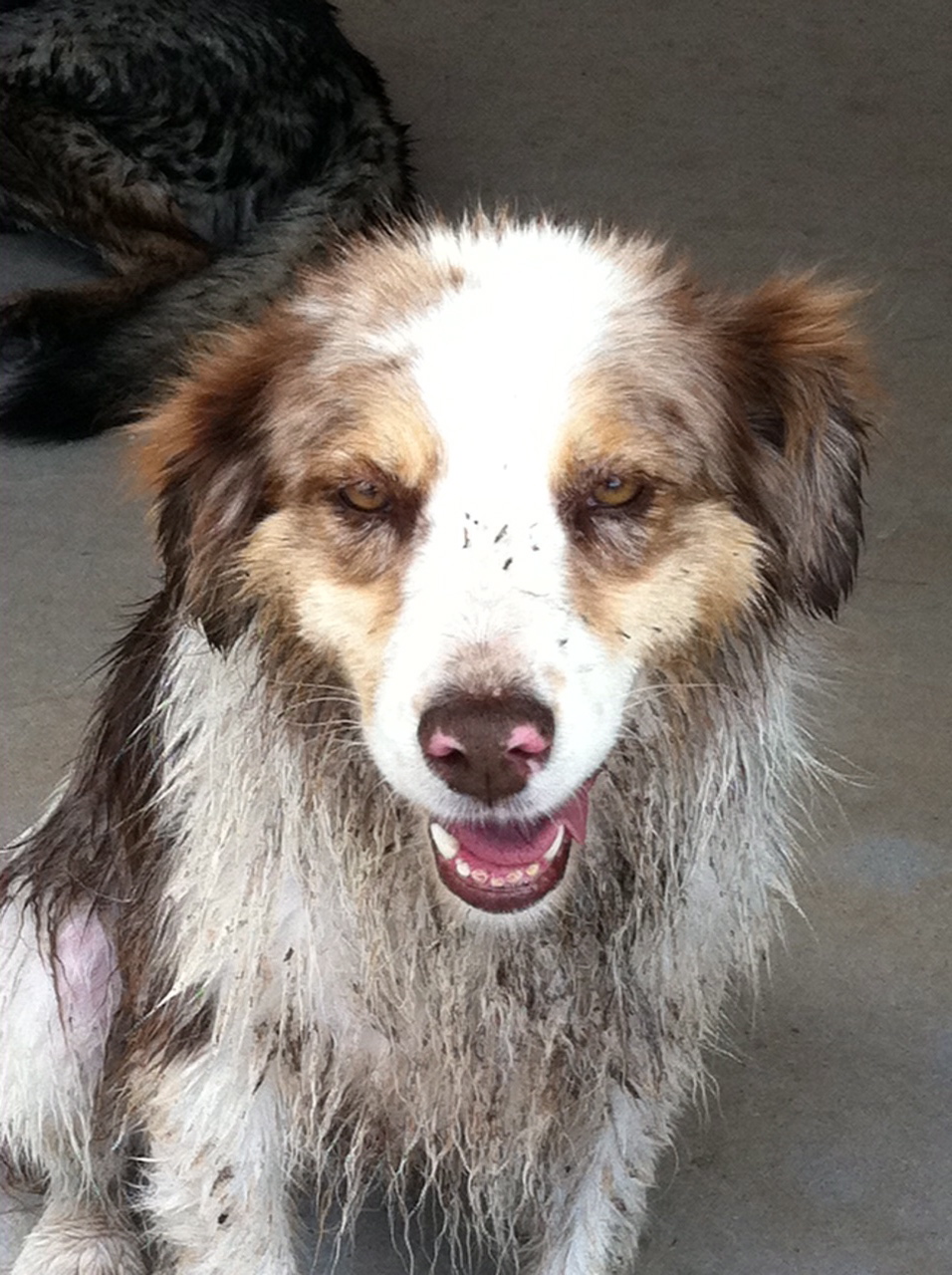
Kitty, an 8 year old Aussie playing in the mud
So, a huge THANK YOU to Rebecca and Ronnie who helped plan Weight Loss Month. Also a round of cheers to CJ, Gracie, Buddy, Misha, Frank, Pippin and Mary whose owners have stepped up in an effort to help them live healthier, happier, longer lives.

If you would like to know if your pet is overweight, just give us a call at 299-1146 and ask to make an appointment with Becca for a weight evaluation. She can help you formulate a weight loss plan.

Friday, February 1, 2013

Dental Month

February is Dental Health Month! For the first 20 clients who come in and discuss their pet's dental health with our staff, we will give away a CET trial size dentifrice and a CET dental chew. CET dental chews are American made. They are scientifically formulated to help keep your pet's teeth clean. CET provides numerous dental products including pet safe (and flavored) dentifrice, finger brushes, and water additives.

If the technician feels that your pet's teeth need a professional cleaning she will refer you to a veterinarian for an appointment (this may need to be scheduled on a different day, and depending on the timing of your last visit may include an exam fee.)

A dental prophy involves a full cleaning both above and below the gumline, polishing, a full oral exam and probing for disease along the gumline. This can only be done safely with anesthesia. Just as you cannot brush away all future dentist visits, all pets will ultimately need a dental cleaning at least several times in their life. Small pets, like chihuahuas, poodles and cocker spaniels will all likely have yearly dental prophys starting at a fairly young age.
I may be dirty, but my teeth are clean!

Cats can get a painful oral condition called Feline Oral Resorptive Lesions (FORLs). These painful lesions are caused when for unknown reasons the cat's body begins breaking down and reasorbing the roots of the teeth.

Cats will show no signs of this, though many cats after the teeth are pulled (sadly this is the only option for these cats) are much happier after the procedure! This is yet another reason all cats should see their veterinarian at least yearly.


This is what happens to dogs who play with tennis balls and rocks
If we perform a prophy on your pet during the month of February we will give you a coupon for $10 off Purina DH diets or CET chews, whichever you prefer. Purina DH is a dog and cat food made of larger than normal kibbles that are scientifically formulated to not shatter like normal food when chewed. Instead the food resists breaking apart creating a scrubbing-like action that helps prevent tartar buildup. You can feed DH as a full diet or feed as treats.

For dental month, CET is offering a special buy two get one free offer when you buy CET chews from your veterinarian. You have to go to their website to receive their free bag.

Of course, like us, the gold standard for dental care is brushing. Brushing your pet's teeth is far easier than it may seem. If you think your pet would be amenable to toothbrushing we will be happy to give you a demonstration. Just give us a call to make a free appointment with a technician.

Dirty teeth are not just ugly, the bacteria released by infected teeth and gums circulate in the blood and affect the heart valves, kidneys and urinary tract. Red gums hurt, and because pets need to eat, they will continue to do so even if it means that it hurts.

Some level of oral disease exists in up to 75% of pets over the age of 5, and while most of those are not yet diseased enough to need a prophy, all pets can benefit from preventive dental care. See us if you have any questions about your pet's oral health.

You can reach us at (520) 299-1146 or info@ventanaanimalhospital.com

What healthy teeth and gums look like, no redness along the gumline

Wednesday, October 17, 2012

Cats need to see the vet too!

Cats make up nearly half the pet population, yet they only account for a third of veterinary visits. Why is this?  Many people believe that cats (especially those that spend their time indoors) do not need to see the veterinarian as often as dogs. Cats are deemed more self-sufficient than dogs. Cats also hide illness far more successfully than do their canine counterparts.

Cats do need to see the vet just as often as dogs do. Cats need rabies vaccinations regularly regardless of whether or not they are indoors (a rabid bat flying into the house has caused far more cat euthanasias than anybody would want.) They also need vaccinations for viruses that you can bring in on your clothes or shoes.

Cats, unlike dogs are prone to a degenerative illness of the teeth that causes painful lesions as teeth erode from the gumline. These are called feline oral resorptive lesions (FORLs). These are extremely painful, but your cat will not show it. Cats will continue to eat regardless of how much their teeth hurt (what alternative do they have?) We can quickly and painlessly evaluate your kitty's teeth to ensure that they are not painful.

Cats are also prone to all of the same age related issues that dogs are, including arthritis, diabetes, renal disease and cancer. Many of these illnesses can be addressed if found in time. Senior dogs and cats need to see the vet more often not less! Remember, pets age far faster than we do, so a year is a very long time in cat or dog years.

Cats, especially indoor cats are very prone to excessive weight gain and obesity. Being overweight can affect your cat's health, making her more prone to diabetes and other endocrine diseases. It can also make grooming difficult, and joints painful. We will be more than happy to evaluate what your cat is eating and place it on a diet. We also have tips and tricks to help inactive cats become more active (whether they want to or not!)

If your kitty has not seen a veterinarian in some time, please make an appointment. We here at Ventana Animal Hospital know how unpleasant kitties find the hospital environment to be. We will make every effort to make your cat's visit a smooth, stress-free and expedient event.


Monday, October 8, 2012

Snake Training

Ventana Animal Hospital stocks antivenin for use in the event of snake bite. We always have at least two vials in the refrigerator. During the summer we will mix up and give this extremely expensive life saving medication to more dogs (and occasionally cats) than we care to.

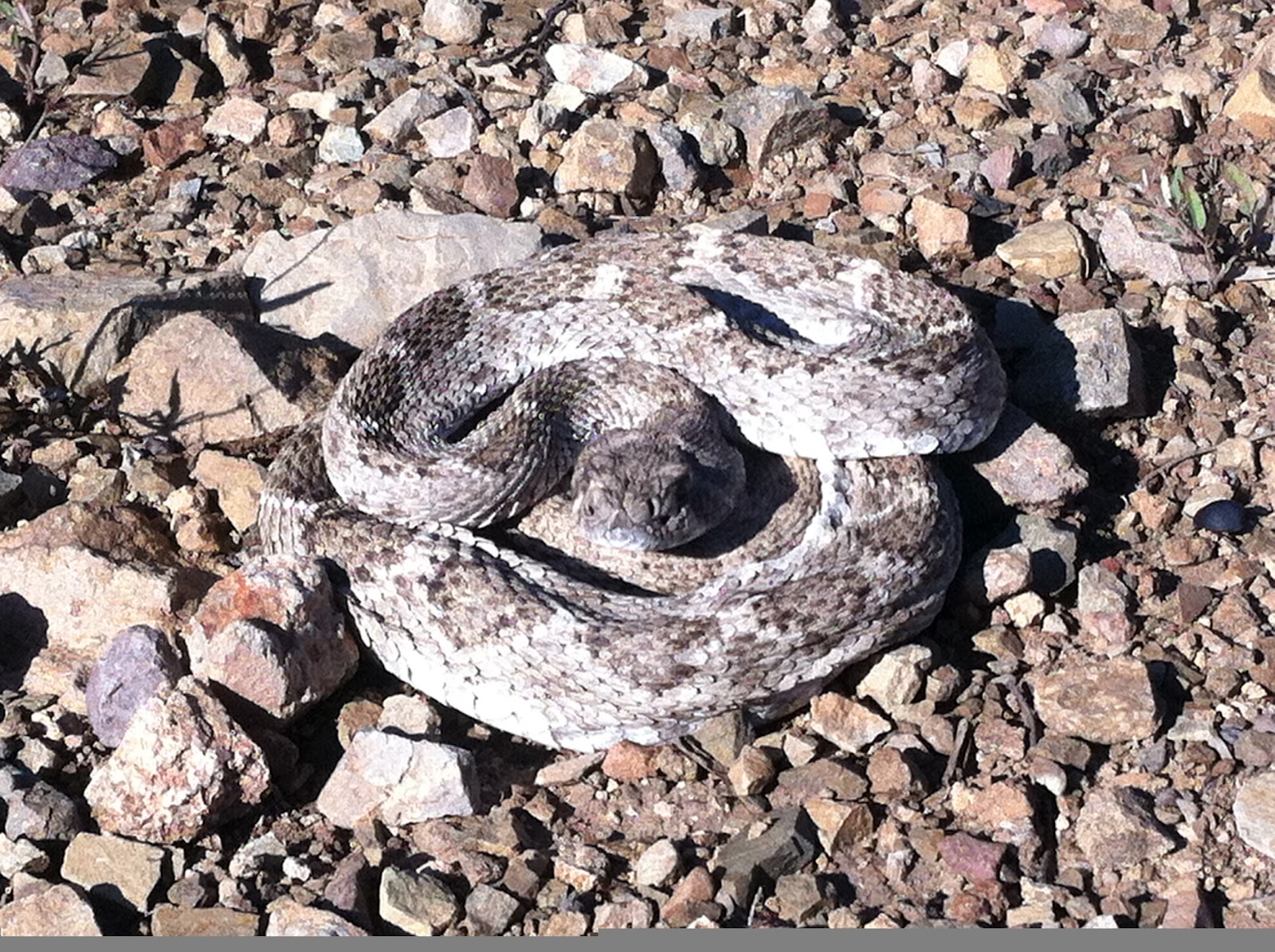
Honestly, we would like to never use antivenin again. Snake bites in pets (especially dogs) are common in the Tucson. Snakes remain active throughout the year, though spring, summer and fall have the highest incidence of snake strikes. Whether you are hiking Sabino Canyon, sitting on your back porch or bird hunting in Patagonia, snakes are everywhere, and they are active far into the fall.

Rattlesnake venom does several things, the first is that it causes extreme pain followed by swelling to the bite location. The venom then causes changes in the blood which encourages bleeding (this is why we do blood work on snake bite victims). Lastly the venom causes local tissue death called necrosis. The only thing that can counteract the envenomation process is swiftly getting to a veterinarian and receiving antivenin, antibiotics, fluid therapy and pain medication. Depending on the snake species (mojaves are exceptionally venomous), strike location, amount of venom injected by the snake and other factors, use of antivenin is often (but not always) able to save pets' lives.

All dogs are at risk of snake bite. Snakes are not respectful of boundaries and through climbing trees, crawling through drain holes and under gates and even following rodent excavations they can find themselves in even the most impenetrable yard.

Please help us here at Ventana Animal Hospital to never ever see another snake bite again. Get your dogs snake trained. This is the easiest most cost effective method to ensure that your dogs do not engage the snakes that they do encounter.

Snake training (like any training) is not 100% effective. Terriers and bird dogs seem to suffer the most when it comes to failing to heed the warnings issued through snake training. Because of this, most people who do snake training will let you periodically 'test' your dogs to ensure that they 'got' the lesson. In most cases they will let you do this at little to no cost.

Truly, short of packing up and moving to a snake free island, snake training is the most effective cost efficient way to ensure that you never ask us to open up one of those vials of antivenin.

We here at Ventana Animal Hospital believe so strongly in the effectiveness of snake training that we have partnered with Paul Blaushild of Central Pet to provide our customers an exclusive opportunity to save money on this life saving training. Bring any receipt from Ventana Animal Hospital to Paul at Central Pet, and they will give you $5 off snake avoidance training.

Even with swift life saving care, every year we lose at least one pet to snake bite. Please, we don't want it to be your pet. Schedule a trip to Central Pet (or any trainer who can train your pet to avoid snakes) now.


Friday, October 5, 2012

Welcome to Ventana Animal Hospital's Blog!

In an effort to better reach our pet loving community Ventana Veterinary Hospital of Tucson has decided to jump into the world wide web in a big way! This is a very exciting move for our company, and we hope that it will help us bring our excellent service and care standards directly to you, our loyal customers.

Ventana Animal Hospital was started on the North East side of Tucson 18 years by Karen Burrows DVM. Seven years later Dr. M. Nielsen joined the practice. Along with a great veterinary staff, Ventana Animal Hospital continues to grow and provide the friendliest most personal service for your pet's veterinary needs.

We at Ventana Animal Hospital are proud of the contribution that we have made and will continue to make to animal wellness in Tucson.

To that end we are constantly upgrading equipment and technology to better provide the services that pet owners have come to expect from our veterinary team.

In July we introduced our team to a new computer system to better help us track your pet's health, and increase efficiency. We also brought in a new digital x-ray unit which provides superior radiographs for better quality diagnostics.

We also brought in all new in house blood analyzers to help provide faster diagnostics to our patients.

We take our relationships with our clients seriously, and we take our medicine seriously, and we hope that putting our messages about pet health into your hands quicker and cheaper we will help add another dimension to our vison as your favorite neighborhood veterinary office.

Please join us on Facebook to receive minute to minute updates on special events, FDA food recalls, and pet health news.

Thank you for your loyal support. We look forward to 18 more excellent years of providing friendly, conscientious veterinary service.